
Introduction — Why do we still accept avoidable downtime?
Have you ever stood beside a CNC and watched a whole shift slip away because a single tolerance error held up production? I have, and that scenario is all too common in small shops and larger plants alike. CNC machine service is often treated as reactive maintenance — fixed only when something breaks — and that mindset costs time and money. Recent industry surveys suggest unscheduled downtime can eat up to 20–30% of productive hours on some shop floors, and the cost shows up in delayed orders and rushed rework (which only makes things worse).
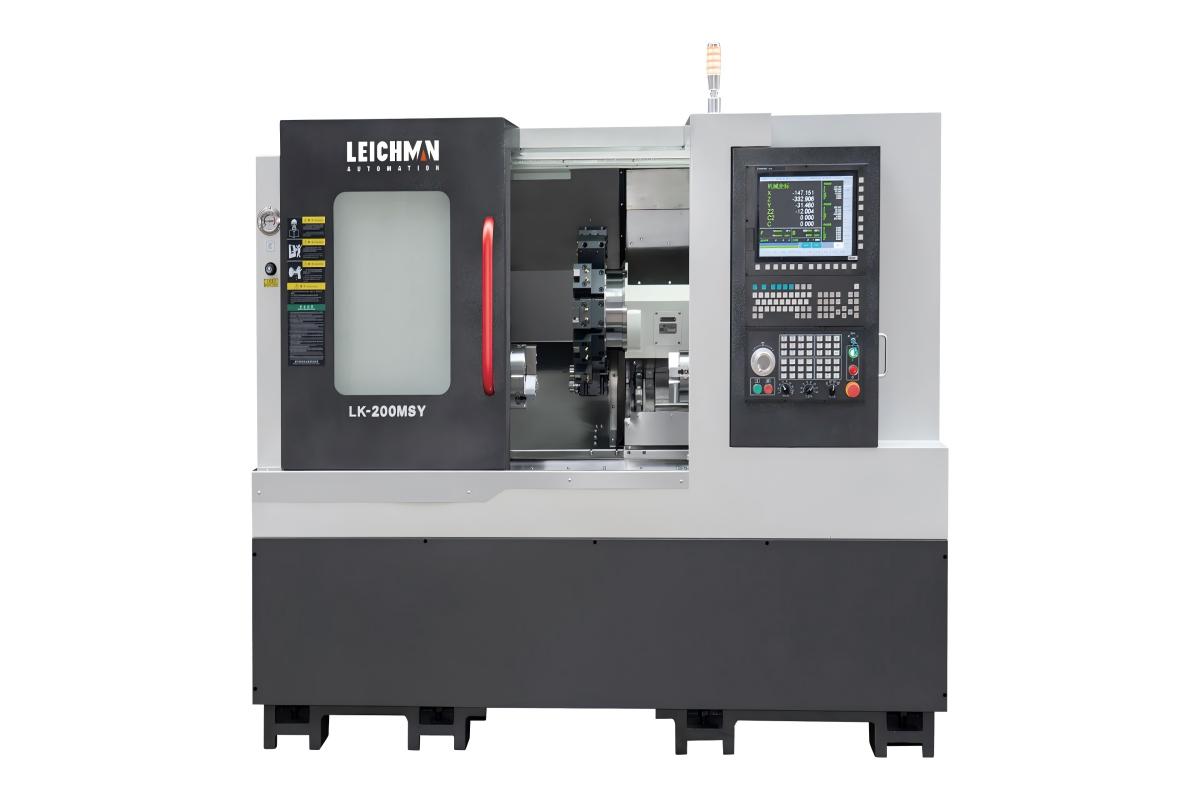
Here I want to set a clear scene: a late-night run, a worn spindle, a distorted toolpath and a frustrated operator staring at flashing alarms. That one failure cascades into overtime, missed delivery windows and, frankly, a loss of trust with customers. So what should we be measuring instead of waiting for the alarms to scream? — and who is best placed to make those measurements reliable and useful?
I’ll take you through a measured, comparative look at service approaches, testing assumptions and pointing to practical indicators you can act on. My aim is not to preach but to share what I have learned in workshops and on shop floors. Expect plain talk, a few solid numbers and practical terms like spindle life and G-code stability. Next, we’ll look under the hood at why traditional fixes keep tripping teams up.
What Often Goes Wrong: Flaws in Traditional Solutions
When I examine 5 axis cnc machining services offerings, I often spot the same blind spots. Shops rely on scheduled inspections that look good on paper but miss real wear patterns. Components like bearings and spindles may pass a checklist test yet fail under real-cycle load because the toolpath and actual cutting forces were never monitored. In short: the test does not match the job.
Why do these flaws persist?
Too often, service is split into silos. Maintenance teams think in hours and parts; programmers think in G-code and toolpath efficiency. Nobody connects the dots with real-time data (edge computing nodes could help here — and yes, they’re not a magic fix). Look, it’s simpler than you think: if you don’t measure cutting force trends and vibration over time, you miss the gradual degradation. That leads to emergency stops and rework. I’ve seen shops that replaced perfectly good tools because one metric looked off, and others where real wear went unnoticed because it didn’t show on a static checklist. Both outcomes cost the same: lost throughput and morale.
We also see procurement driven by lowest upfront price rather than total life cost. Power converters, control board quality and spindle balance are long-term drivers of reliability. Ignoring those is penny-wise and pound-foolish. The technical fix? Better telemetry and cross-discipline reviews. The cultural fix? Treating service as continuous improvement, not as a paper trail.
Looking Ahead: Case Example and Future Outlook
In my view, the most useful shifts come from combining simple telemetry with smarter service agreements. Take a mid-sized workshop that asked for local quotes under “cnc machining near me” and then agreed to a pilot: they fitted vibration sensors on key spindles and mapped toolpath strain for critical parts. Within three months they cut emergency downtime by nearly half and reduced scrap by a clear margin. The sensors were inexpensive. The human change — accepting alerts and acting quickly — was the hard part. — funny how that works, right?
What’s Next?
Looking forward, I expect more shops to adopt hybrid models: remote monitoring plus scheduled deep service, and clearer metrics tying maintenance to output quality. Power converters and spindle resilience will get more attention as shops chase predictability, not just peak speed. I encourage teams to pilot small telemetry projects, then scale what works. We should also keep an eye on training: a good technician who understands toolpath dynamics can save more than an extra sensor ever will.
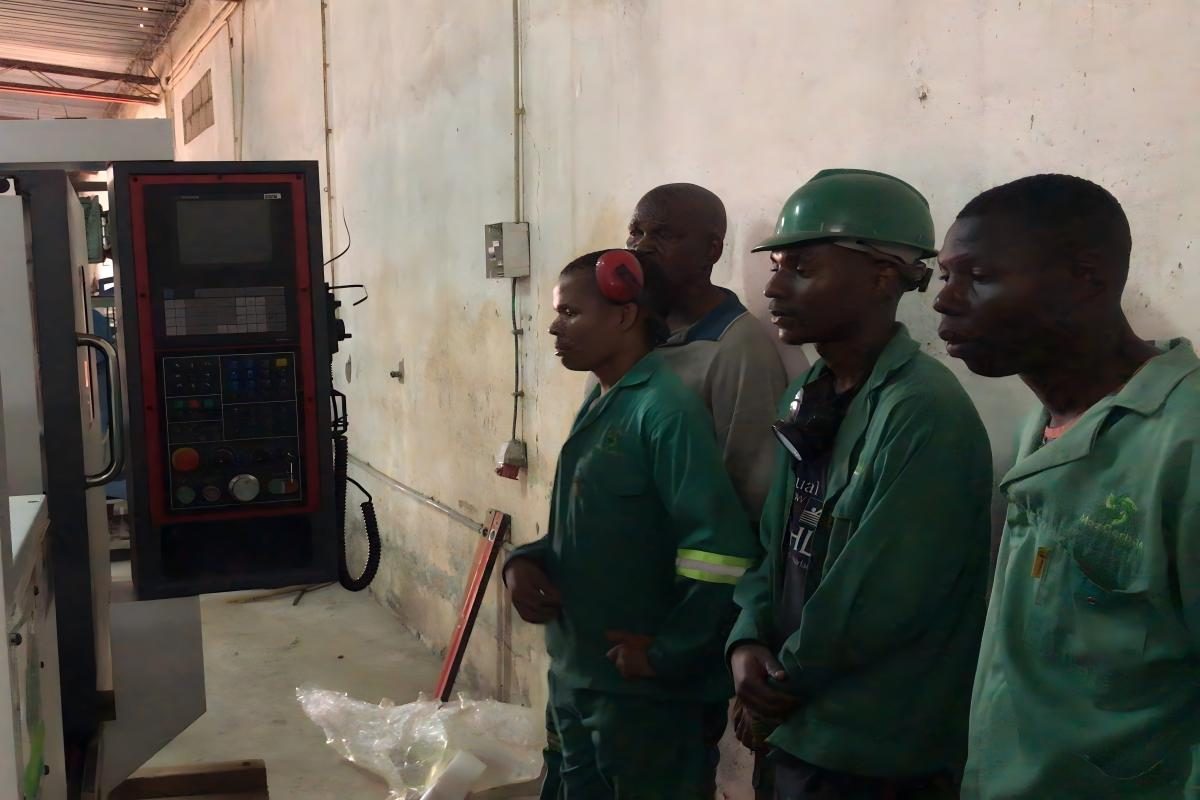
To close, here are three practical metrics I recommend when evaluating service partners: 1) Mean Time Between Failures (MTBF) for critical spindles under real production cycles; 2) Trending accuracy of toolpath execution versus programmed G-code; and 3) Measured reduction in unscheduled downtime after the first 90 days of a service program. Use those, ask for evidence, and weigh long-term cost against short-term savings. If you want a partner that understands these trade-offs, consider speaking with Leichman. I’ve seen the difference when teams commit to smarter service—and it’s worth the effort.